Late Thursday afternoon hits hard in a cramped temporary office space. You sit staring at a finalized 3,000-word technical guide. Friday morning’s newsletter awaits scheduling in the queue. Product messaging feels dialed in perfectly for the mid-launch push.
Table of Contents
Just one massive problem.
Readers will face an impenetrable wall of text. Six weeks into this current launch cycle, your team exhausted its small repository of free vector art. Recent analytics paint a grim picture across the reporting dashboard. Bounce rates keep creeping up as visitors abandon text-heavy pages immediately. Startups need fresh visual breaks urgently to hold human attention. Commissioning a custom illustrator simply breaks both the remaining budget and the fast-approaching deadline.
Almost every scaling content team hits that exact bottleneck eventually. Asset folders dry up long before corporate budgets stretch to fund a dedicated art department. Finding accessible platforms that bridge this gap becomes a basic survival tactic.


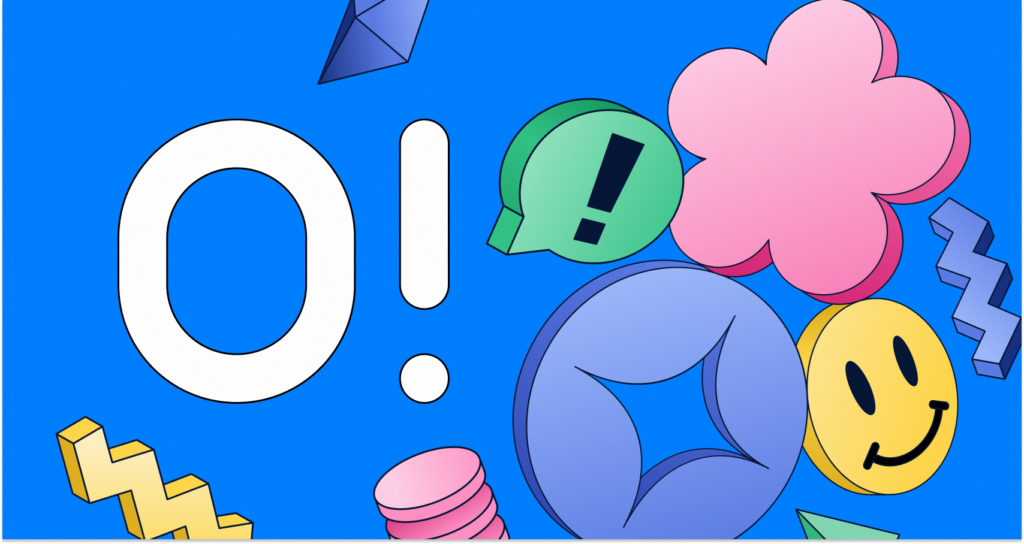
Ouch, an illustration library built by Icons8, tackles that exact headache directly. It packs a massive repository of pre-made, highly customizable digital assets.
Rescuing the Weekly Newsletter Pipeline
High-volume email marketing demands a relentless, punishing pace. Producing visually engaging newsletters every single week drains creative reserves incredibly fast. Teams usually start by downloading isolated graphics from random free clip-art sites. Brand identity quickly dilutes into a chaotic, messy mix of flat vectors and glossy 3D shapes.
Bringing Ouch into your regular workflow changes that dynamic entirely. Designers stop hunting endlessly for isolated, disjointed pictures. Marketers select one of 101 available illustration styles and pull exclusively from a consistent visual language.
Let’s walk through a typical daily production workflow.
Campaign managers filter for “Business” categories inside the main web interface. They might pick a highly specific aesthetic, like sketchy line graphics or a minimal monochrome look. Because Ouch breaks complex scenes down into tagged standalone objects, you aren’t stuck with rigid, unchangeable layouts.
Building an interactive onboarding section? Search for an isolated laptop graphic first. Drag it directly into the free Mega Creator online editor. Place a fully customized character right next to the machine. Users swap body parts, rearrange background elements, and tweak colors to match specific startup hex codes perfectly.
Export a flat PNG file once the final composition fits your email template constraints. Fifteen minutes take you from a raw conceptual idea to a polished exported graphic. Friday morning’s critical publishing schedule stays completely intact.
Building Visual Pacing in Long Form Articles
Breaking up a massive blog post takes a totally different tactical approach. Technical guides need precise visuals that explain complex concepts without looking like cheap, meaningless filler. Niche industry topics get much easier to cover when your stock library holds over 23,000 technology and 28,000 business illustrations.
Content managers tackling lengthy user experience posts need highly specific graphical states. Think secure user logins, frustrating 404 errors, and multi-step checkout processes.
Don’t insert random clipart found through generic internet image searches. Map out a coherent visual story instead. Editors locate a colorful, bold aesthetic that fits existing startup branding perfectly.
Upgrading to a paid subscription plan unlocks SVG format downloads. Crisp web performance and deep technical customization depend heavily on scalable vector files. Developers take those downloaded SVGs and manipulate them directly in the website code base. Vectors scale infinitely on high-resolution retina screens without ever losing their sharp edges.
Hold reader attention even longer with purposeful, engaging motion. Teams download animated Lottie JSON formats easily from the database. Subtle page movement encourages distracted visitors to keep scrolling further down the screen. Professional editorial experiences emerge entirely from affordable, standardized stock components.
Evaluating Alternative Art Strategies
Pre-made online libraries naturally come with certain expected trade-offs. Comparing Ouch against other common sourcing methods makes total sense during a busy, high-stakes launch cycle.
Custom illustration remains the absolute gold standard for any ambitious brand. Hiring in-house talent or contracted freelance artists guarantees completely unique assets tailored exactly to your unique voice. Cost and long turnaround times kill that beautiful dream for many early-stage companies. Content teams shipping three major articles weekly can’t wait five business days for custom header art.
UnDraw remains a frequent first stop for bootstrapping startup founders. Open-source models offer completely free, easy-to-recolor vector files. Ubiquity acts as its major fatal drawback in a crowded, competitive market. That specific minimalist aesthetic is incredibly recognizable across the entire internet. Using UnDraw instantly makes promising startups look exactly like a thousand other generic tech clones. Stylistic diversity just isn’t there to help your brand stand out.
Freepik provides massive download volume at rock-bottom subscription prices. Finding beautiful standalone graphics works brilliantly on their massive platform. Building a cohesive, consistent brand language feels terrible, though. Work comes from thousands of different independent global contributors. Good luck finding ten matching illustrations in the exact same art style for one crucial landing page. Icons8 solves that frustrating problem by organizing internal libraries into strict, professionally curated stylistic categories.
Where Pre-Made Libraries Hit a Wall
No stock photography or vector library reaches true perfection. Ouch brings definitive, hard limitations that creative teams must acknowledge upfront.
Free tier restrictions hurt budget-conscious marketing departments the absolute most. Anyone downloading free PNG files must visibly include a backlink directly to Icons8. Link attribution acts as a complete, undeniable dealbreaker on corporate landing pages. Professional newsletters and sleek mobile app interfaces can’t afford messy link placements breaking the visual layout. Paid subscriptions become strictly mandatory for serious professional corporate environments.
Proprietary technology also creates massive friction points. Startups manufacturing completely novel physical hardware devices won’t find accurate visual representations anywhere. Generic rack servers and standard mobile phones exist in absolute abundance. Complex mechanical engineering diagrams and unique software interface mockups require dedicated custom design work.
Watch out for fleeting aesthetic design trends. Relying heavily on super trendy illustration styles risks looking deeply dated within two short years. Simple minimal monochrome graphics usually outlast heavily stylized, temporary fads.
Tactics for High Volume Content Teams
Scaling visual production via stock asset libraries demands strict operational discipline. Treating any art platform like a disorganized dump for random imagery keeps published content looking distinctly amateurish.
- Commit strictly to one or two distinct visual styles across all marketing materials to fake the cohesive look of an expensive custom corporate design system.
- Install the proprietary Pichon desktop app for significantly faster daily workflows by dragging and dropping assets directly into open design canvases or text editors.
- Avoid downloading entire pre-made graphic scenes blindly. Grab individual searchable vector objects instead and composite them yourself so your final graphics look drastically different from competitors using the exact same digital library.
- Bank unused monthly download credits during slow publishing months. Those rolled-over digital assets save entire campaigns during the inevitable mid-launch content surge.
Pipeline scaling means making incredibly smart choices about daily time allocation. Standardizing visual brand assets lets your core team focus on writing truly compelling marketing copy. Readers might actually stay on the page long enough to absorb your core business message.