Introduction
In an era of fast fashion and mounting textile waste, sustainability has become a critical concern. The clothing industry produces an astonishing amount of waste — about 92 million tonnes of textiles end up in landfills every year. This means that mountains of discarded garments are piling up, taking a toll on the environment. As consumers and brands seek greener solutions, woolrec has emerged as an innovative concept that addresses this challenge head-on.
Table of Contents
Woolrec (short for wool recycling) refers to the system of recovering, cleaning, and repurposing wool fibers from old garments, production offcuts, and textile waste. Instead of tossing wool sweaters or scraps into the trash, the woolrec process gives them a second life by converting used fibers into fresh yarns, fabrics, or even insulation materials. In essence, woolrec keeps wool circulating in a continuous reuse cycle rather than letting it go to waste. This approach not only conserves valuable resources but also supports a greener way of living by reducing the need for new raw wool and cutting down on landfill buildup.
Why does woolrec matter right now? Beyond the obvious waste reduction, wool recycling blends traditional textile craftsmanship with modern eco-innovation. Wool is a natural and biodegradable fiber, but letting wool products rot in landfills is far from harmless — as they decompose over years, they can release greenhouse gases. By embracing woolrec, the fashion and textile industries can dramatically shrink their environmental footprint. Recycled wool production uses significantly less water and energy than producing virgin wool, and it prevents old wool from contributing to pollution.
In this comprehensive guide, we will explore what woolrec is and why it was created, how the woolrec process works step by step, and the diverse applications of recycled wool in fashion, home, and industry. We will also delve into the benefits of woolrec, compare recycled vs. virgin wool, address the challenges and myths surrounding wool recycling, and highlight why woolrec stands out as a game-changer in sustainable textiles. By the end, you’ll understand how woolrec is helping to transform waste into value — and why that’s a win for businesses, consumers, and the planet.

The Core Mission of Woolrec
The core mission behind woolrec is straightforward yet profound: to treat used wool as a valuable resource rather than waste. Woolrec was founded on the philosophy that every wool fiber can be given a new purpose, thereby closing the loop in the textile life cycle. In a traditional “take-make-dispose” economy, clothing is used and then thrown away, but woolrec aims to replace this linear model with a circular one. By keeping wool in continuous circulation—collecting old wool items and regenerating them into new products—woolrec helps build a sustainable future where textiles are reused again and again instead of piling up in landfills.
This mission is part of a larger movement toward sustainable production and consumption. It means turning “trash” into treasure: demonstrating that even post-consumer wool scraps can become raw material for something new. Wool recycling isn’t an entirely new idea (the Italian town of Prato, for example, has been recycling wool for over a century and today produces roughly 15% of the world’s recycled textiles), but woolrec takes this concept to the next level. It leverages modern technology and global collaboration to scale up what was once a niche or local practice into a mainstream solution. The goal is not only to reduce waste, but to set a precedent for how the fashion and textile industry can operate responsibly.
At its heart, woolrec stands for more than just recycling wool—it represents a commitment to innovation, responsibility, and long-term thinking. The initiative bridges old-world textile craftsmanship (where reusing and mending were common) with 21st-century eco-innovation. The philosophy is that environmental stewardship can go hand-in-hand with economic benefits. By reusing wool fibers, industries can save money on raw materials while also meeting growing consumer demand for sustainability. In short, the purpose of woolrec is to prove that waste can become a resource, aligning the interests of businesses, consumers, and the planet in a shared mission for a greener future.
How Woolrec Works: A Step-by-Step Breakdown
Effective wool recycling involves several key stages, each designed to maximize fiber recovery and quality. Here’s how the woolrec process typically works:
Step 1: Collection of Used Wool
The first step is gathering wool waste. Old wool garments, worn-out woolen blankets, carpets, and even factory offcuts are collected from various sources. This can happen through clothing donation programs, textile recycling bins, or direct collection from textile mills and manufacturers. By casting a wide net in collection, woolrec ensures that valuable wool fibers (which would otherwise be trash) are captured for reuse.

Step 2: Sorting and Grading
Once a heap of old wool textiles is gathered, it undergoes careful sorting. Recyclers sort the wool based on material type (wool vs. wool blends), fiber quality (how worn or strong the fibers are), and color. Sorting by color is especially useful — keeping like colors together means that the recycled fibers won’t require re-dyeing later, avoiding a water- and chemical-intensive process. For example, all red wool sweaters might be grouped together and processed into red yarn, whereas white or undyed wool might be grouped separately to be dyed new colors if needed. Proper grading at this stage ensures that the subsequent steps can be as efficient as possible, with similar fibers processed together for best results.
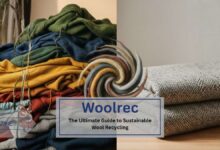
Compressed bales of discarded wool sorted by color at a recycling facility. Before the cleaned fiber gets spun into new yarn, large quantities of waste wool are compacted into bales and organized. Sorting by color in this way helps minimize the need for re-dyeing, conserving water and energy during the recycling process.

Step 3: Shredding and Cleaning
After sorting, the real transformation begins. The textiles are fed into machines that shred or “pull” apart the wool back into loose fibers (a fluff-like material). This step is sometimes called garnetting, reducing fabrics back to fiber form. Next comes thorough cleaning of the fibers. Wool often contains dirt, dust, oils (like lanolin), and old dyes. The recycling facility will wash (scour) the wool fibers to remove impurities, and may use mechanical or chemical processes to eliminate remaining dyes or contaminants. The result of this stage is clean, fluffy wool fiber that’s ready to be turned into something new. (Notably, wool recycling facilities strive to use eco-friendly detergents and methods during cleaning to ensure the process itself remains sustainable.)

Step 4: Re-spinning into Yarn or Fabric
Once the wool fibers are clean, they are re-spun into yarn or formed into non-woven fabrics. In this stage, the loose fibers are fed into spinning systems that twist them together to create yarn, much like in traditional yarn making. If a woven or felted product is the goal (for insulation panels or felt mats, for instance), the fibers might be bonded into sheets instead of yarn. Often, recycled wool yarns are blended with a small percentage of fresh virgin wool during spinning to enhance strength and length, since recycled fibers can be shorter after shredding. The outcome of this step is a new yarn or wool material that can be used just like any other textile input.

Step 5: Manufacturing New Products
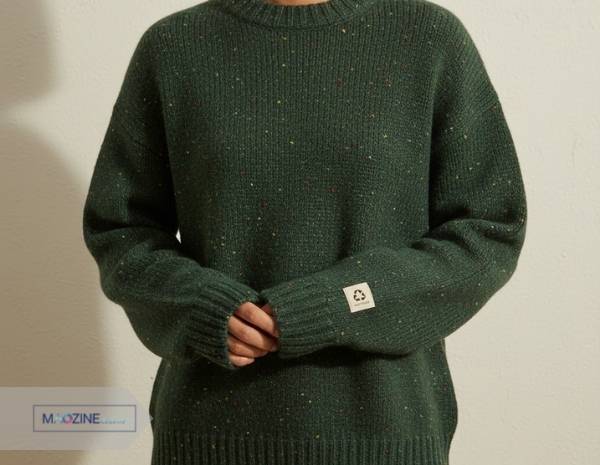
Finally, the recycled yarn or fiber is used to make new products. This could mean knitting or weaving the recycled yarn into new fabrics, which are then cut and sewn into clothing. Or it could mean using the recycled wool in other ways, such as pressing it into insulation batts or felting it for carpet underlays. There are many possibilities. Recycled wool from the woolrec process can become cozy sweaters, coats, scarves, upholstery fabric, warm blankets, carpeting, or even thermal insulation material. At this stage, the loop is closed: the wool that began as cast-off waste is now part of a brand new item. Manufacturers will often label these products as containing recycled wool, and they carry virtually the same functionality and comfort as products made from virgin wool – but with a much lower environmental footprint.
Applications of Woolrec in Fashion, Home, and Industry
One of the remarkable aspects of woolrec is its versatility. Recycled wool fibers can be spun and used in almost any context that virgin wool would be, opening up a wide range of applications across different industries.
Sustainable Fashion and Apparel
The fashion industry is a natural fit for woolrec. High-quality recycled wool yarn can be turned into new textiles for clothing and accessories. In fact, recycled wool is already used to produce warm sweaters, jackets, coats, hats, and scarves. These garments retain the warmth, breathability, and softness that wool is known for, but with a fraction of the environmental cost. Many eco-conscious fashion brands have started integrating recycled wool into their collections to reduce their carbon footprint. For example, some luxury labels source regenerated wool from Italy’s renowned mills as part of their sustainability initiatives – Patagonia, Stella McCartney, Eileen Fisher, and Gucci are among the brands that have incorporated recycled wool into certain products or lines. By using woolrec materials, designers can create stylish apparel that tells an eco-friendly story, appealing to consumers who care about both fashion and the planet. In essence, woolrec enables “slow fashion” principles, allowing the industry to move away from the throwaway culture of fast fashion and toward garments with a smaller ecological footprint.
Home Furnishings and Textiles
Beyond clothing, woolrec finds plenty of use in home and interior design. Recycled wool fibers can be woven or felted into home textiles like carpets and area rugs, cozy blankets and throws, cushion stuffing, and upholstery fabrics for furniture. The natural insulating properties of wool make these products not only comfortable but also functional – for instance, a woolrec rug or blanket provides great warmth. Using recycled wool in home furnishings allows decorators and consumers to make environmentally responsible choices without sacrificing quality or comfort. Additionally, since wool is naturally fire-resistant and moisture-wicking, recycled wool insulation batts or felts can be used in homes to improve indoor warmth and acoustics safely. Some eco-home builders use wool insulation (including recycled wool) in walls and attics as a greener alternative to synthetic insulation, taking advantage of wool’s ability to regulate temperature and humidity. From a design perspective, it’s often impossible to tell a recycled wool textile from a new one – a recycled wool couch throw or pillow looks and feels just as inviting, with the added story that it was made sustainably.
Industrial and Technical Applications
Woolrec has exciting applications in various industrial sectors as well. One major use is in building materials: recycled wool can be formed into soundproofing panels and thermal insulation for use in offices, studios, and homes. Wool’s natural acoustic and thermal properties make it ideal for improving building insulation efficiency. Likewise, the automotive and transportation industry has found a role for recycled wool. Wool felt pads and liners can be used as interior insulation in cars, planes, or even trains – for example, in car door panels, headliners, or under carpets – to dampen sound and provide cushioning. Recycled wool offers inherent flame resistance and vibration dampening, which is highly valued in vehicle interiors. In practice, components like seat padding or insulation mats made from recycled wool can replace synthetic foams, delivering comparable performance with a greener material. Additionally, lower-grade recycled wool (fibers that might not be soft enough for clothing) can be used in industrial felt, packing materials, or even as biodegradable weed mats in agriculture. In short, woolrec materials are not limited to fashion – they are finding their way into construction, automotive engineering, and more, wherever the material’s durability and insulating properties provide an advantage.
Crafts, Art, and DIY Projects
Finally, recycled wool has a creative side. Artists and crafters often love working with wool, and woolrec extends this opportunity by providing sustainable materials for projects. Recycled wool yarns are available for knitting or crochet enthusiasts who want eco-friendly yarn for sweaters and blankets. Similarly, hobbyists can use felted wool sheets (made from recycled fibers) for quilting, appliqué, or embroidery crafts. Some artisans obtain scraps of recycled wool fabric to make patchwork quilts or stuffed toys, capitalizing on wool’s softness and safety (since it’s non-toxic and fire-resistant). There are also DIY enthusiasts who use shredded recycled wool as stuffing for cushions or as insulation in handmade jackets. By using recycled wool in arts and crafts, individuals not only give a unique character to their creations but also support the recycling loop. It’s a wonderful example of how sustainability can be woven into culture and creativity at the grassroots level. Whether it’s a hand-knit scarf made from recycled yarn or a piece of wall art using reclaimed wool felt, these applications show the broad reach of woolrec beyond mass industry – into the personal projects and passions of people who care about the environment.
Benefits of Woolrec
Why invest time and effort into wool recycling? As it turns out, woolrec brings a host of benefits on multiple fronts – from environmental gains to economic opportunities and social advantages. By transforming waste wool into useful material, woolrec creates a positive ripple effect. Let’s break down the key benefits:
Environmental Benefits
Waste Reduction and Pollution Prevention: The most obvious benefit is diverting wool from landfills. Every pound of wool that gets recycled is a pound kept out of garbage dumps. This helps reduce landfill load and prevents the associated pollution. Wool textiles can take years to decompose in a landfill and may release methane (a potent greenhouse gas) as they break down. Woolrec stops that cycle by reusing the fibers instead of letting them rot. As a result, recycling wool directly cuts down on textile waste and greenhouse emissions. In fact, studies indicate that recycled wool has an enormously smaller carbon footprint – one analysis found that producing recycled wool yarn reduces CO<sub>2</sub> emissions by about 94% compared to making the same yarn from new wool. That’s because new wool production involves raising sheep (which emit methane), consuming water and energy in wool processing, and using chemical dyes, whereas recycled wool skips much of those resource-intensive steps. Woolrec also saves water and energy overall, since recycling fibers uses far less of both than growing, shearing, and scouring new wool. In short, the woolrec process offers a significant environmental win: less waste, lower carbon emissions, and reduced resource consumption.

Economic Benefits
Cost Savings and New Market Value: From an economic standpoint, woolrec makes a lot of sense for manufacturers and consumers alike. Using recycled wool can lower material costs for textile producers – recycled fiber is often cheaper than sourcing virgin wool, especially during times when wool prices surge. It also reduces dependency on volatile raw material markets; if wool from sheep becomes scarce or expensive, having a stream of recyclable wool helps stabilize supply. Additionally, wool recycling gives rise to new business opportunities and jobs. Entire companies and local industries can form around collecting, processing, and selling recycled wool (for example, the thriving wool recycling industry in Prato, Italy). This means woolrec doesn’t just save money for existing manufacturers; it also creates a market for sustainable goods and new revenue streams in the recycling sector. The result is a more circular economy where value is extracted from waste, generating income and employment (such as jobs in sorting facilities, recycling plants, and eco-friendly product manufacturing). Governments and organizations are increasingly recognizing these economic benefits, sometimes even offering incentives for recycling initiatives. Over time, wider adoption of woolrec could help the textile industry become more financially resilient and innovative.
Social and Community Benefits
Consumer Appeal and Ethical Fashion: In the eyes of consumers, products that incorporate recycled materials often carry a premium appeal. Shoppers are becoming more environmentally conscious, and many actively seek out sustainable fashion or home goods. Brands that use woolrec materials can signal their commitment to the planet, which helps build trust and loyalty with eco-minded customers. This broader trend encourages a culture of sustainable fashion – one where buying a coat or sweater made from recycled wool is seen as a smart, positive choice. Woolrec thus helps promote eco-conscious consumer choices and supports the rise of ethical fashion.
Education and Community Engagement: Another social benefit is the awareness that woolrec spreads about recycling in general. Initiatives that collect and recycle wool often involve community drives, clothing donation campaigns, or school programs about textile recycling. By showing people that even an old wool sweater can be transformed into something new, woolrec helps educate communities about the value of recycling and resource management. This can inspire individuals to donate old clothes instead of tossing them, or to think twice about the lifecycle of what they buy. In some woolrec programs, local charities or social enterprises are involved in collection and processing, which can strengthen community bonds and participation.
Sustainable Lifestyle and Future Generations: Ultimately, woolrec contributes to a more sustainable lifestyle paradigm. It is aligned with the idea of mindful consumption – using resources fully and responsibly. As more consumers and companies embrace recycled wool, the demand for fast-fashion disposable mindsets can diminish, leading to less wasteful habits. The social ripple effect of woolrec is a growing public expectation that industries should reduce waste and that products should have a life beyond a single use. In empowering consumers to be part of the recycling loop (through buying recycled goods or recycling their own textiles), woolrec fosters a sense of collective responsibility for the environment. This cultural shift towards sustainability is perhaps one of the most important “soft” benefits of woolrec, as it helps lay the groundwork for environmental responsibility to be passed on to future generations.
Woolrec vs. Virgin Wool: How Does Recycled Wool Compare?
It’s important to understand how woolrec measures up against the conventional route of producing virgin wool (i.e. new wool sheared from sheep). In many respects, recycled wool offers clear advantages, though there are also a few trade-offs to consider. Here’s a quick comparison on key points:
- Energy and Water Usage: Producing brand-new wool is resource-intensive. Think of the energy needed to raise sheep, power the shearing and scouring (cleaning) processes, and run textile mills. Woolrec avoids a lot of these steps. As a result, recycling wool uses considerably less energy overall than producing virgin wool. The same goes for water: washing raw wool and processing it through all stages consumes large volumes of water, whereas recycling wool fibers greatly reduces that need. In short, woolrec is far more efficient in terms of energy-per-garment and water-per-garment than the traditional wool supply chain.
- Waste and Emissions: Virgin wool production is directly tied to waste and emissions at multiple points (animal waste at farms, discarded offcuts in manufacturing, old products in landfills). By using woolrec, those emissions are curbed and waste is slashed. Every sweater made of recycled wool represents wool that didn’t need to come from a sheep again and didn’t end up thrown away. In the aggregate, woolrec can prevent massive amounts of textile waste from ever occurring. As noted earlier, the carbon footprint of recycled wool is dramatically lower (nearly 10 times smaller by some measures) than that of virgin wool because it sidesteps the methane from sheep and the energy of processing new fiber.
- Product Quality: One question often asked is whether recycled wool is as good as “new” wool. The answer is generally yes – for the first recycle cycle, properly processed wool fibers can maintain much of the strength, warmth, and appearance of virgin wool. However, there is a slight trade-off. Each time wool is recycled, fibers can become shorter or slightly more brittle. Over multiple recycling loops, the wool may lose some quality (for instance, yarn might be a bit less strong or fabric might pill more). In practice, many recyclers counteract this by blending a small amount of virgin wool with recycled fibers to boost yarn strength. Innovations in recycling techniques are also improving fiber quality retention. For most consumers, a garment made with a blend of recycled wool will feel and perform just like a normal wool product. So, while virgin wool might have a slight edge in purity and possibly longevity, recycled wool comes very close – and the difference in environmental impact is huge. It’s a conscious choice between a tiny potential drop in fiber length versus a significant gain in sustainability.
- Other Considerations: There are a few other differences to note. Virgin wool production supports sheep farming communities and the wool industry, whereas woolrec supports recycling industries and often urban jobs in collection and processing. Some types of wool products (like very fine merino suits or high-performance outdoor gear) may still rely on virgin wool for specific qualities, but even in those areas, recycled wool is starting to make inroads for linings or insulation layers. Additionally, using recycled wool reduces the need for dyes if colors are sorted, which is a chemical and environmental benefit. On the flip side, recycling operations must deal with challenges like removing non-wool components (e.g. separating zippers, buttons, or blended fibers) which the virgin wool process doesn’t face. Weighing it all together, woolrec clearly outshines the virgin wool route in eco-friendliness and waste reduction, while delivering wool materials that are functionally comparable for most uses.
Challenges and Limitations of Woolrec
While woolrec presents a very promising solution, it’s not without obstacles. There are practical and technical challenges that currently limit how far wool recycling can reach. Key challenges include:
- Fiber Blends and Sorting Complexity: Modern textiles are often blends of multiple materials – for example, a sweater might be 50% wool and 50% polyester. These blended fabrics are much harder to recycle than pure wool because the different fiber types are tangled together. Separating wool from synthetic fibers or removing things like Lycra or nylon threads is a significant technical hurdle. Today’s woolrec processes work best on 100% wool or high-wool-content textiles. If a garment contains too much non-wool, it might not be feasible to recover the wool at all (the material could end up being down-cycled into low-grade stuffing or simply trashed). Researchers are exploring methods to break down and segregate blended fibers – for instance, one lab has developed a way to separate cotton from polyester using special enzymes – but a reliable commercial solution for wool/synthetic blends is still in development. Until that improves, sorting through donated textiles to pick out usable wool and exclude unsuitable items remains a labor-intensive and imperfect process.
- Limited Consumer Awareness: Another hurdle is that many people simply don’t know that wool can be recycled. Public recycling programs often emphasize materials like paper, plastic, and glass; textile recycling is less top-of-mind. As a result, tons of wool garments get thrown out by consumers who might have chosen to donate or recycle them if they were aware of the option. Building greater awareness is crucial – if people understand that programs exist to collect old wool sweaters or that certain brands will take back worn wool products, more raw material can be diverted into the woolrec stream instead of ending up in landfills. Similarly, on the demand side, not all consumers realize the quality of recycled wool can be high. Some might wrongly assume “recycled” means second-rate. Overcoming this perception through education and marketing is an ongoing challenge for the industry.
- High Setup and Processing Costs: Setting up efficient wool recycling facilities requires investment in machinery, technology, and logistics. From organizing collection networks to purchasing shredders, carding machines, and re-spinning equipment, the initial capital expenses can be substantial. For woolrec to scale up, companies and municipalities need to justify these costs. In places where landfill disposal is very cheap or where the market price of recycled wool is not yet high enough, the economics can be a barrier. Additionally, operating the process involves labor and energy costs (though less than making new wool, it’s not free). Over time, as technology improves and volumes increase, costs are likely to come down – but currently, convincing stakeholders to invest in wool recycling infrastructure can be challenging, especially in regions without government incentives or subsidies.
- Quality Control and Fiber Degradation: As mentioned earlier, each cycle of recycling can shorten wool fibers. One challenge is ensuring that recycled wool products meet high quality and durability standards. If a batch of recycled yarn turns out weak, it could deter manufacturers from using it. Consistency is key: textile mills need recycled fibers that behave predictably. Recycled wool sometimes has shorter fiber length, which can affect the strength or longevity of fabrics. Maintaining quality may require blending recycled wool with longer virgin fibers or using advanced techniques to strengthen the recycled fiber. There’s also the issue of contaminants – a stray non-wool fiber or foreign material in the mix can cause defects. Hence, quality control is a serious concern: woolrec operations must invest in good sorting, cleaning, and testing to ensure the output material is reliable.
Despite these challenges, progress is being made on all fronts. For example, new sorting technologies using AI and optical sensors are being piloted to better identify and separate textiles by material. Some companies are researching chemical recycling methods that could dissolve wool and reconstitute it, which might bypass the problem of short fibers or remove dyes efficiently. Industry groups are also working on standards and certifications (like the Global Recycled Standard mentioned earlier) to build trust and verify recycled content, addressing any consumer skepticism. As we look to the future, these innovations and efforts aim to overcome the current limitations of woolrec.
Why Woolrec Stands Out
In the landscape of sustainability initiatives, woolrec distinguishes itself through its effectiveness and multifaceted impact. Here are a few reasons why woolrec stands out:
True Circularity: Woolrec exemplifies the circular economy in action. Unlike some “sustainable” efforts that merely reduce harm, woolrec closes the loop by continually cycling a material through reuse. Wool fibers that might have been wasted are kept in production for years or decades longer. This is a big leap from the traditional linear model of making, using, and discarding products. Woolrec not only minimizes waste – it actively creates a regenerative system. This level of circularity is a model for the textile industry. (Imagine if all our clothes, not just wool, were part of such a loop!) Woolrec stands as a practical demonstration that circular economy principles can be achieved in fashion and textiles, not just talked about.
High-Quality Reuse of a Premium Fiber: Not all recycling is equal. Often, recycling means down-cycling – turning something into a lower-grade product. But with woolrec, we’re able to make new high-quality goods from old high-quality materials. Wool is a premium fiber known for its durability and performance. Recycling it preserves those qualities. A recycled wool sweater can be just as warm and luxurious as a sweater made from new wool. This is a point of pride for woolrec: it’s not about creating rags or industrial filler from wool waste; it’s about maintaining wool’s value. In contrast, some other textile recycling (like turning plastic bottles into fleece) results in products that don’t have the same longevity or value as the original material. Woolrec shows that recycling can equal quality.
Broad Impact Across Sectors: Woolrec’s influence isn’t confined to one niche – it bridges multiple sectors (fashion, home, industry) and brings them together under the banner of sustainability. A fashion designer can use woolrec fabrics to make eco-friendly clothing, and at the same time an automotive company can use woolrec materials for greener car insulation. Few sustainability initiatives have such cross-cutting applications. This broad usability makes woolrec especially impactful. It’s not solving just one small problem; it’s providing solutions in apparel, interior design, engineering, and more all at once. That wide reach sets it apart from many other eco-innovations that might focus only on a single industry.
Alignment of Tradition and Innovation: There’s something uniquely compelling about woolrec’s blend of old and new. On one hand, it taps into a long tradition of thrift and wool recycling (as seen in places like Prato with its 19th-century “ragmen” heritage). On the other hand, it employs cutting-edge technology and modern logistics to scale that tradition globally. Woolrec manages to be forward-thinking while honoring the past. This gives it a narrative edge: it’s not just an environmental initiative, but also a story of craftsmanship meeting innovation. That resonance helps galvanize support – people can feel good about woolrec not only because it’s green, but because it carries forward a legacy of valuing materials.
Proven Environmental Advantages: Finally, woolrec stands out because it delivers measurable environmental benefits without theoretical trade-offs. Recycled wool has been shown to drastically lower carbon emissions, water usage, and waste compared to virgin wool production. Sustainability experts often cite woolrec as a prime example of how recycling can outperform traditional production on key metrics. In the debate between using new natural resources versus recycling, woolrec clearly demonstrates that recycling wool “performs far better overall” for the planet. This is not a marginal improvement, but a major leap – making it a shining star in the realm of eco-friendly initiatives. Few other sustainability efforts can claim the broad, across-the-board wins that woolrec does (economic, environmental, and social). In that sense, woolrec has become something of a flagship for circular fashion, showing the world what’s possible when we reimagine waste as a resource.
Final Thoughts
“Waste is only waste if we waste it.” This saying rings true when looking at woolrec. What was once considered rubbish – old woolen clothes and scrap fibers – can now be the feedstock for tomorrow’s textiles. In this guide, we’ve journeyed through the what, how, and why of woolrec, seeing that it’s not just a process but a philosophy of sustainability. By giving wool fibers a new lease on life, woolrec showcases how innovation and responsibility can intersect for the greater good.
In summary, woolrec is more than a recycling technique; it’s a movement toward a more sustainable and circular future. It proves that industries can reduce waste and save resources while still meeting the needs of consumers and keeping quality high. From reducing environmental burdens to sparking economic opportunities, the impacts of woolrec are overwhelmingly positive. The fact that something as simple as recycling wool can touch so many aspects of life – fashion, comfort in our homes, cleaner industry – is inspiring.
The challenge now is to support and expand these efforts. If businesses, consumers, and policymakers continue to rally around initiatives like woolrec, we can transform what is currently a niche practice into a mainstream norm. The next time you pull on a sweater, you might ask: is it made from recycled wool? Increasingly, that will be a mark of pride. Woolrec encapsulates a hopeful idea: that we can take a material that history has given us, use it, reuse it, and keep benefiting from it without exhausting our planet. Embracing woolrec means choosing a smarter path forward – one where “waste” is simply the start of something new.
Frequently Asked Questions (FAQs)
Q1: What does “woolrec” mean, and where did this idea come from?
A: Woolrec is short for “wool recycling.” It refers to the practice of recovering used wool fibers (from old clothing, scraps, etc.) and recycling them into new products instead of throwing them away. The idea came about as part of the broader push for sustainable and circular fashion. Recycling wool isn’t entirely new – for example, towns like Prato in Italy have been famous for regenerating wool for over a century – but the term “woolrec” has gained traction recently to describe modern, systematic wool recycling efforts aimed at reducing textile waste. Essentially, woolrec means giving wool a second life through recycling.
Q2: Is recycled wool as good as new wool in terms of quality and strength?
A: In most cases, yes – recycled wool can be nearly as good as virgin wool. Recycled wool retains the natural warmth, breathability, and softness that wool is known for. However, recycling does tend to shorten wool fibers a bit, so there can be a slight loss in strength. To compensate, manufacturers often blend a small amount of new wool with recycled wool to ensure durability. For example, a recycled wool sweater might have 10-20% fresh wool blended in to make the yarn stronger. The end result is a garment that feels and wears just like a normal wool product. Most people won’t notice any difference in quality – except perhaps that the label says it’s recycled!
Q3: How many times can wool be recycled?
A: Wool can be recycled multiple times, but each cycle may shorten the fibers. In practice, wool can often go through two to three recycle iterations before the fiber quality drops below a usable length. After each recycling, the fibers get a bit shorter and weaker. Eventually, recycled fibers might become too short to spin into yarn for clothing – at that point they might be used for insulation, felt, or stuffing rather than spun fabric. Some research is looking into methods of rejuvenating or strengthening shortened fibers so that wool could be recycled more times. But currently, you can expect a few good cycles out of wool. It’s worth noting that even getting one extra use (or two or three) out of the same wool fibers is a huge win for sustainability – that’s several garments’ worth of use from the same material instead of just one.
Q4: How does woolrec help the environment? Does recycling wool really save energy or reduce emissions?
A: Yes, absolutely. Wool recycling has significant environmental benefits. First, it keeps wool out of landfills, which reduces landfill pollution and methane emissions (wool in landfills can produce greenhouse gases as it decomposes). Second, recycling wool means we don’t have to raise as many sheep to get new wool – that translates into less land use, less water and feed, and lower methane emissions from sheep. Third, the manufacturing process for recycled wool is much shorter and more energy-efficient than processing raw wool. There’s data indicating that making products from recycled wool uses far less energy (and water) overall. One study (by Patagonia) found a recycled wool sweater had a carbon footprint about 94% lower than an equivalent new wool sweater. So, by using woolrec materials, we save energy, reduce chemical usage (especially dyes), and cut carbon emissions. It’s a clear environmental win.
Q5: What should I do with old or unwanted wool clothing?
A: The best thing to do is keep it out of the trash. If the item is still wearable, consider donating it to a charity or second-hand shop so someone else can use it. (Many wool garments have a long life and can be worn by multiple owners.) If it’s not in good condition for wear, look for textile recycling programs in your area – some cities or non-profits have drop-off bins for fabric recycling. You can also check if any clothing brands have take-back programs. A number of outdoor apparel companies and even fast-fashion retailers have started collection initiatives where you can bring in old clothes (sometimes any brand) for recycling. For wool specifically, there might be local “fiber recycling” drives; a quick search online can help locate one. In short, donate or recycle rather than dump wool in the garbage. By doing so, you’re feeding the woolrec system. Additionally, when shopping, you can support the cycle by buying products made with recycled wool, which helps create demand for the recycled material.
Q6: Are there certifications or standards for recycled wool products?
A: Yes. Two common certifications to look for are the Global Recycled Standard (GRS) and the Recycled Claim Standard (RCS). These are international standards that verify recycled material content and responsible processing. For example, GRS certification means the product meets strict requirements for both recycled content and for social and environmental practices in production. RCS focuses on verifying the recycled content in the final product. If you see a label that says a wool product is GRS or RCS certified, you can trust that it genuinely contains recycled fibers and was made in a transparent, responsible way. These standards help prevent “greenwashing” by giving consumers reassurance that recycled wool claims are legitimate. In addition to GRS and RCS, some companies also provide detailed info on their wool sourcing and recycling process as part of their sustainability reporting. But as a quick reference, checking for a GRS or RCS logo is a good way to identify credible recycled wool products.

Q7: Wool is biodegradable, so why not just let old wool items decompose instead of recycling them?
A: It’s true that wool is a natural fiber and will eventually biodegrade (unlike synthetic fibers which can persist for centuries). However, letting wool rot in landfills is not a great solution. In a landfill, wool can take many years to decompose due to the anaerobic (low-oxygen) conditions, and as it breaks down it releases methane, a potent greenhouse gas. Simply allowing biodegradation still contributes to climate change and wastes all the energy and resources that originally went into producing that wool. By recycling wool, we extend its life and get maximum use out of those resources – essentially, we avoid having to produce new wool (saving water, land, and energy) and prevent the pollution from decay. Think of it this way: a wool sweater could either slowly rot underground, doing nobody any good, or be turned into a new sweater or blanket that people can use again. Recycling captures the value of the material. Biodegradable or not, it’s much better environmentally to keep a fiber in use as long as possible. After we’ve recycled wool as far as it can go (when fibers become too short), then its biodegradable nature is a bonus – it can be composted or will break down harmlessly. But until then, recycling is the more responsible choice.