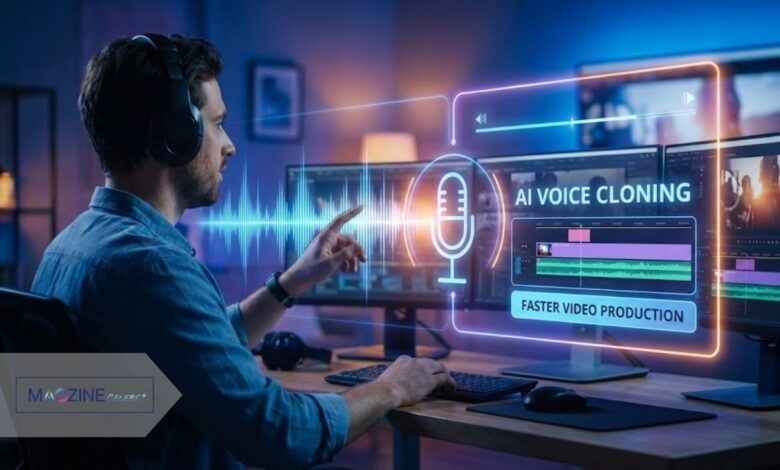
In the fast-paced world of digital content creation, efficiency and creativity often go hand in hand. Video creators are constantly looking for ways to streamline their workflow without compromising quality. From editing techniques to animation tools, the tools available today can drastically reduce the time it takes to produce professional-grade videos. One of the emerging technologies that have started transforming content creation is AI voice cloning. By allowing creators to replicate natural human voices quickly and accurately, it has opened up a host of possibilities for faster and more flexible video production.
Table of Contents
AI voice cloning is not just a convenience—it’s a game-changer for creators working with tight deadlines or extensive content requirements. By integrating this technology into their workflow, creators can focus more on storytelling and visual elements while ensuring their narration is consistent and professional.
Understanding AI Voice Cloning
AI voice cloning involves using machine learning algorithms to create a synthetic voice that closely mimics a human speaker. Unlike traditional text-to-speech systems, voice cloning captures subtle nuances, tone, and emotion, making it sound almost indistinguishable from a real person. This technology can be used to narrate scripts, provide character voices, or even create multilingual content without the need to hire additional voice talent.
How It Works
At its core, AI voice cloning works by analyzing a voice sample and learning its unique characteristics. The process typically involves:

- Voice Sampling: Collecting recordings of the original speaker. Even a few minutes of audio can be sufficient for advanced AI models.
- Training the Model: The AI system learns the pitch, cadence, and inflection patterns of the voice.
- Text-to-Speech Conversion: Once trained, the model can convert any written text into speech using the cloned voice, allowing creators to generate audio content on demand.
By automating this process, creators no longer need to record multiple takes or rely on external voice actors for every project.
Benefits for Video Creators

The advantages of AI voice cloning extend beyond just convenience. Here’s why creators are increasingly adopting this technology:
Faster Video Production
One of the biggest time-savers is the ability to generate voiceovers quickly. Instead of scheduling recording sessions or re-recording multiple lines, creators can input their script into the system and receive a polished voiceover within minutes. This efficiency accelerates the overall video production timeline, enabling creators to release content more frequently.
Consistency Across Videos
Maintaining a consistent voice for recurring content is crucial for branding and audience recognition. AI voice cloning ensures that creators can keep the same vocal tone and style across multiple videos, even if they are recorded days or months apart. Tools like invideo’s AI voice cloning tool allow creators to replicate the same voice seamlessly, ensuring continuity in video series or tutorials without compromising quality.
Cost-Effectiveness
Hiring professional voice actors for every project can quickly become expensive. AI voice cloning reduces this cost by offering an automated alternative without sacrificing natural sound quality. While initial setup and training of the model may require some investment, the long-term savings in production time and resources are substantial.
Accessibility and Multilingual Content
For creators targeting global audiences, AI voice cloning provides the flexibility to produce content in multiple languages. Some systems can even adapt the cloned voice to different languages while retaining the original speaker’s unique tone, making international content creation more accessible and efficient.
Integrating AI Voice Cloning Into Workflows
Implementing AI voice cloning effectively requires understanding how it fits into the broader video creation workflow.
Scriptwriting and Planning
The first step in using voice cloning is having a well-prepared script. The clearer the text, the better the AI-generated voice will sound. Creators often break their scripts into smaller sections, allowing the AI to generate precise audio for each segment, which can then be aligned with video clips during editing.
Choosing the Right AI Video App
Not all AI tools are created equal. Selecting an AI video app that seamlessly integrates voice cloning with video editing is crucial for maximizing efficiency. Such apps allow creators to sync audio with visuals, adjust pacing, and even tweak intonation or emphasis in specific parts of the narration. By consolidating these functions, creators can avoid juggling multiple software programs, reducing the risk of errors and saving time.
Editing and Fine-Tuning
Even the most advanced AI voice clones may occasionally require slight adjustments. Many video editors provide features to fine-tune pitch, speed, and pauses, ensuring the narration matches the visuals perfectly. This level of control allows creators to maintain a human-like feel in the audio while benefiting from the automation of AI technology.
Use Cases in Video Creation
AI voice cloning is versatile and can be applied to a wide range of video types.
Educational Videos and Tutorials
Creators producing instructional content benefit greatly from AI voice cloning. Narrations can be updated quickly whenever course materials change, and creators can maintain a consistent tone throughout a series of lessons.
Marketing and Social Media Videos
Short-form content for social media often requires fast turnaround times. AI voice cloning enables creators to generate voiceovers rapidly, allowing for timely campaigns without compromising on production value.
Entertainment and Storytelling
From animated shorts to interactive narratives, AI voice cloning allows creators to experiment with multiple character voices or recreate specific vocal styles. This flexibility opens up creative opportunities that would be otherwise time-consuming or expensive to achieve with traditional voice recording.
Accessibility Features
Adding voiceovers for accessibility is another area where AI voice cloning excels. By generating clear and natural narration, creators can make their videos more inclusive for audiences with visual impairments or learning disabilities.
Ethical Considerations
While AI voice cloning offers significant benefits, creators must also be aware of ethical implications. Misusing someone else’s voice without permission is a serious concern. Additionally, creators should ensure transparency with their audience when AI-generated voices are used, especially in sensitive content areas. Responsible usage fosters trust and helps maintain ethical standards in the digital content landscape.
Copyright and Consent
Before cloning a voice, it is essential to obtain proper consent from the individual whose voice is being replicated. Unauthorized use can lead to legal repercussions and damage to credibility.
Transparency With Audiences
Creators should consider informing viewers when voice cloning is used, particularly in tutorials, interviews, or personal storytelling. Being transparent about AI-generated content enhances authenticity and maintains audience trust.
Future of AI Voice Cloning in Content Creation
As AI technology continues to advance, the potential applications for voice cloning will expand even further. Improvements in naturalness, emotional expression, and multilingual capabilities are expected to make AI-generated voices nearly indistinguishable from human recordings.
Some potential future developments include:
- Real-Time Voice Cloning: Allowing live video streams to feature cloned voices in real time.
- Adaptive Emotional Tone: AI adjusting the voice dynamically based on context, scene, or audience reaction.
- Collaborative AI Creation: Multiple AI tools working together seamlessly to generate video, voice, and music simultaneously.
The evolution of these technologies suggests a future where content creators can focus more on creativity and strategy while AI handles repetitive and time-consuming tasks.
Conclusion
AI voice cloning has emerged as a transformative tool for video creators, offering speed, consistency, and versatility. By integrating solutions like invideo’s AI voice cloning tool into their workflow, creators can produce professional-quality narration efficiently while focusing on visual storytelling and content strategy. When combined with an AI video app that streamlines video editing and voice integration, this technology reduces production time, lowers costs, and opens up new creative possibilities.
As the digital content landscape grows increasingly competitive, embracing AI voice cloning can help creators stay ahead, producing more content with less effort while maintaining high-quality standards. By using these tools responsibly and ethically, creators can unlock a new era of innovative video production, making storytelling faster, smarter, and more impactful than ever before.